
The right of an individual or community to articulate opinions and ideas without fear of interference, censorship, or retaliation.
Freedom
Tony MORRISON

“The thought that leads me to contemplate with dread the erasure of other voices, of unwritten novels, poems whispered or swallowed for fear of being overheard by the wrong people, outlawed languages flourishing underground, essayists’ questions challenging authority never being posed, unstaged plays, canceled films – that thought is a nightmare. As though a whole universe is being described in invisible ink.”
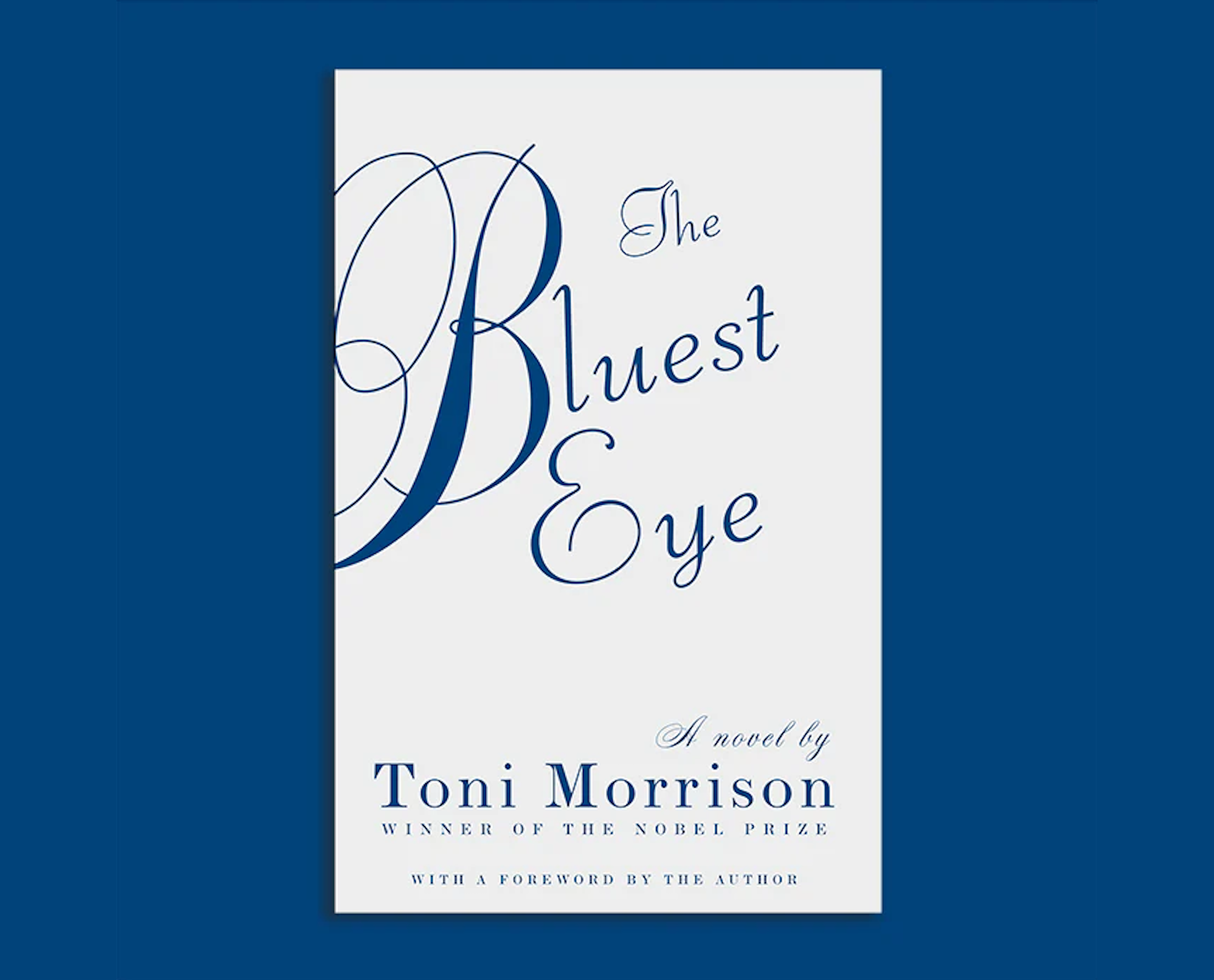
Pulitzer Prize–winning author Toni Morrison was no stranger to being at the top of literary awards, honors, and respectable lists. [Her novels also happen to be some of the most banned books in the United States]. Her novel The Bluest Eye was listed as the tenth most banned book from 2010--2019 by the American Literary Association.
Morrison’s consistent pushback on censorship came from a place far deeper than just being a writer. “...You have to understand that I come from a race of people for whom at one time in the country it was illegal to be taught to read,” she says. “It was illegal and punishable, by physical punishment and sometimes fatal punishment, to learn how to read.”
What stories do students miss out on if censorship continues?


-
Amanda Gorman’s “The Hill We Climb,” which was recited at President Biden’s inauguration, discusses a divided America that, once unified, will be what it’s always tried to be. It was restricted from a Florida school in May 2023.

-
Lupita Nyong’o’s debut children’s book, Sulwe, is about a young girl going through the journey of loving herself despite her differences. It was shelved by school boards across Florida and Pennsylvania.

-
Sandra Cisneros’s The House on Mango Street is a critically acclaimed coming-of-age story about Esperanza Cordero, a Mexican-American growing up in a segregated Chicago.
Despite being taught in many classrooms over the years, the book has been challenged by many schools, most recently in Michigan in 2022.